
Venous Leakage Treatment in Ayurveda
Most men with venous leakage describe the same experience. The arousal is there. The desire is there. But the erection fades. Sometimes within seconds of penetration. Sometimes before it. Pills help temporarily, but the moment the dose wears off, the problem returns. That's because pills don't fix the underlying issue.
Venous leakage is a vascular problem. The veins in the penis aren't holding blood the way they should. Ayurveda has been treating this specific category of male sexual dysfunction, called Klaibya in classical texts, for over two thousand years. The approach is different from conventional medicine. It works on the tissue and the vascular channels themselves, not just the symptom.
What is Venous Leakage?
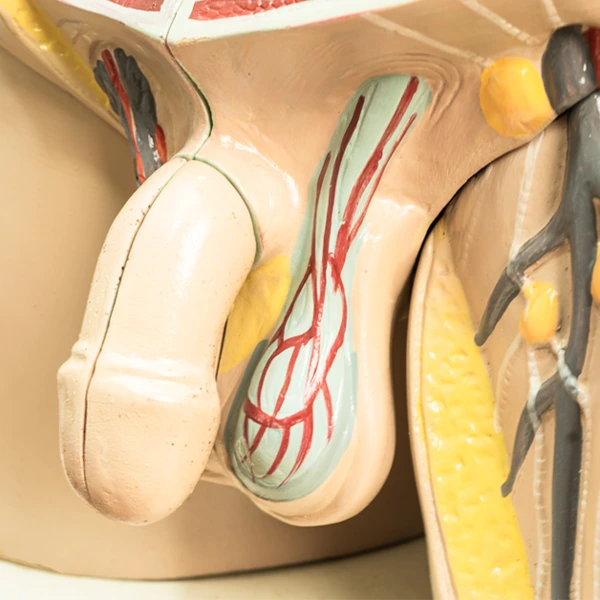
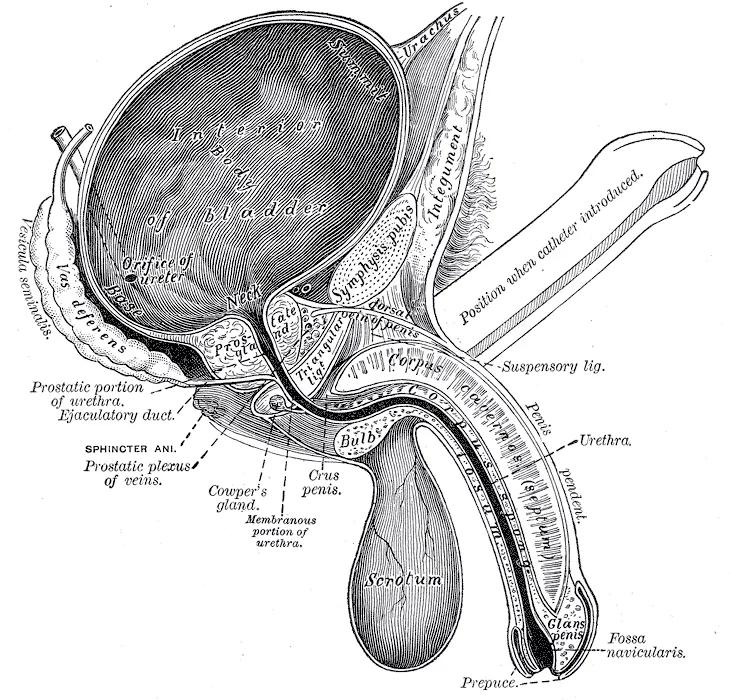
The penis fills with blood during arousal. To maintain an erection, that blood needs to stay trapped inside two cylindrical chambers called the corpora cavernosa. This happens because the veins compress against the tunica albuginea (a tough fibrous layer), blocking outflow.
In venous leakage, this compression mechanism fails. Blood escapes faster than it fills in. The result is an erection that starts but doesn't hold.
The medical term is veno-occlusive dysfunction or corporeal venous insufficiency. It's more common than most men realize. Particularly common in younger men who get told it's just performance anxiety.
"Venous leakage and psychological ED are two different problems. Distinguishing between them changes the treatment completely."
Types of Erectile Dysfunction
Erectile dysfunction is a persistent inability to get and maintain an erection sufficient for a satisfactory sexual experience. Understanding the type is essential for correct treatment.
Venous-Related Erectile Dysfunction
Vascular abnormalities are the most common cause of erectile dysfunction. The corpora cavernosa are unable to retain blood, resulting in erection problems. Simply put, the veins that supply the penis cannot hold blood, so it escapes, resulting in a weak or absent erection. This can happen for two reasons:
- Chemical reactions due to drug abuse
- Physiological problems due to weak penile muscles and over-masturbation
Hormone-Related Erectile Dysfunction
While there is no direct link between testosterone levels and erectile dysfunction alone, hormonal imbalances including hypothyroidism, hyperthyroidism, elevated prolactin and elevated cortisol are strongly associated with erectile dysfunction and venous insufficiency.
Neurological and Medication-Related Factors
Several neurological conditions can trigger erectile dysfunction, including stroke, multiple sclerosis, autonomic dysfunction and spinal cord injuries. Additionally, studies conducted over large male populations have shown that approximately 30% of prescribed medications can cause erectile dysfunction. These include:
- Blood pressure medications and beta blockers
- Diuretics
- Antidepressants and sedatives
- Heart medications
- Chemotherapy agents
Symptoms
These are the signs that point specifically to venous leakage:
- Erections that start normally but lose firmness within seconds or minutes
- Loss of erection at penetration or shortly after
- Erections that feel soft even at maximum arousal
- Needing constant, uninterrupted stimulation just to maintain some firmness
- Weak or absent morning erections
- Feeling mentally ready but physically unable to sustain an erection
If you recognize more than two of these, the problem is likely vascular. That distinction matters for treatment.
Recognize more than two of these symptoms?
Get a proper assessment from Vaidya Rahul Gupta before starting any treatment.
Causes
Physical Causes
- Damage to the tunica albuginea from injury, Peyronie's disease, or previous surgery
- Low testosterone, less discussed but frequently involved in venous leakage cases
- Long-term diabetes causing vascular wall degradation
- Hypertension and atherosclerosis reducing vascular flexibility
- Pelvic or perineal trauma, including cycling injuries and straddle falls
- Post-surgical damage from prostate or pelvic procedures
Lifestyle Causes
- Smoking: directly damages the endothelial lining of blood vessels
- Alcohol: suppresses testosterone and impairs vascular tone over time
- Drug abuse: chemical reactions from substance abuse directly impair vascular function and blood retention in penile tissue
- Over-masturbation: can weaken penile muscles and contribute to venous insufficiency over time
- Sedentary lifestyle: reduces pelvic circulation
- Obesity: raises estrogen, lowers testosterone, stresses the cardiovascular system
From an Ayurvedic standpoint, chronic Vata aggravation from overwork, poor sleep, erratic eating, or excessive sexual activity depletes Shukra dhatu (reproductive tissue) and weakens the vascular channels over time. This isn't abstract philosophy. It's the same physiological degradation described through a different lens.
Diagnosis
Proper diagnosis before treatment matters. The key investigations are:
- Penile Doppler Ultrasound: Measures arterial inflow and venous outflow. Confirms whether the problem is arterial or venous.
- Dynamic Infusion Cavernosometry (DICC): The most accurate test for venous leak. Measures pressure inside the penis while fluid is pumped in.
- Hormone panel: Total and free testosterone, LH, FSH, prolactin, thyroid function.
- Nocturnal Penile Tumescence (NPT): Distinguishes vascular from psychological causes.
- Metabolic workup: HbA1c, lipid profile, blood pressure.
At our clinic, we combine these findings with a detailed dosha assessment and reproductive health history. Both matter.
How Ayurveda Understands Venous Leakage
In Ayurvedic medicine, the capacity for a strong, sustained erection depends on the health of Shukra dhatu, the most refined of the seven body tissues and the end product of a long chain of tissue metabolism. When any link in that chain is disrupted by poor diet, chronic stress, excessive sexual activity, or accumulated toxins, Shukra dhatu is the first to suffer.
Venous leakage specifically reflects Vata aggravation in the reproductive channels. Vata causes instability across three systems: nerve signals, vascular tone, and the ability of penile veins to maintain their compression. Pitta aggravation compounds this by inflaming and degrading the vascular walls.
Treatment works on both: stabilizing Vata through nourishing therapies, reducing Pitta through detoxification and rebuilding Shukra dhatu through targeted Rasayana medicines.
Ayurvedic Treatment for Venous Leakage
1. Herbal Medicines (Vajikarana Rasayanas)
Prescribed based on your constitution and the nature of your imbalance. The key herbs:
- Ashwagandha (Withania somnifera): Reduces cortisol, raises testosterone, and strengthens vascular tone. One of the best-studied herbs for male sexual health.
- Shilajit: A mineral-rich resin that improves mitochondrial energy production in reproductive tissues, increases free testosterone, and enhances tissue quality.
- Kapikachhu (Mucuna pruriens): Contains natural L-DOPA, a precursor to dopamine. Directly supports the neurological pathway involved in arousal and erection.
- Safed Musli (Chlorophytum borivilianum): Rebuilds Shukra dhatu. Particularly useful when sexual overindulgence or chronic stress has depleted reproductive tissue.
- Gokshura (Tribulus terrestris): Supports natural testosterone production and tones the urogenital system.
- Vidari Kanda: Nourishing and Vata-pacifying. Restores flexibility and moisture to depleted tissues.
These are given as classical formulations: medicated ghee, herbal jams, tablets or decoctions, based on what your body needs and can absorb.
2. Panchakarma
Panchakarma is medical detoxification. Specific, sequenced procedures that clear accumulated metabolic waste and prepare tissues for deep nourishment. For venous leakage:
- Basti (Medicated Enema): The primary Vata-balancing treatment in Ayurveda. Anuvasan Basti uses medicated oils to nourish the pelvic tissues directly. In appropriate cases, Uttara Basti (urethral instillation of medicated oil) is added for direct reproductive tract support.
- Shirodhara: A continuous stream of warm oil on the forehead. The physiological effect on cortisol and the hypothalamic-pituitary axis is measurable. Stress hormones directly suppress testosterone. This procedure addresses that pathway directly.
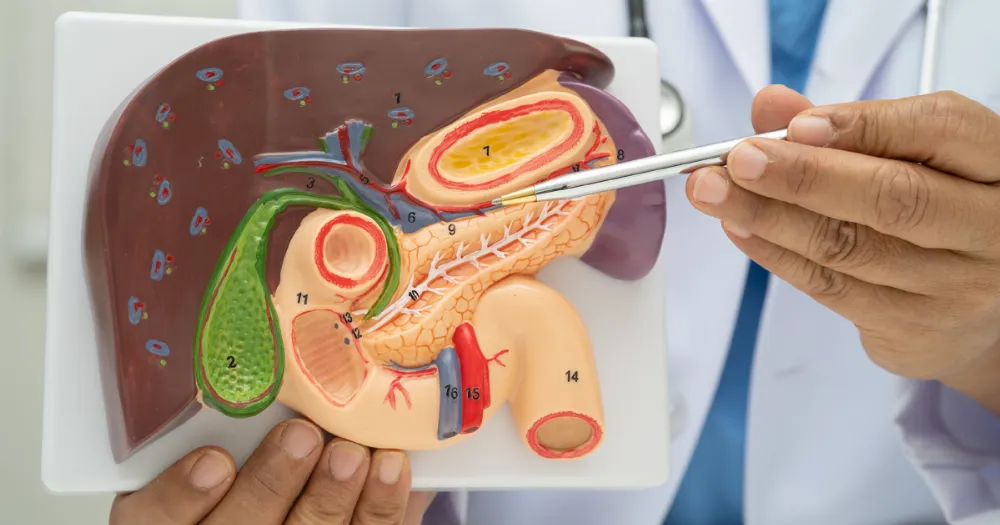
- Virechana (Therapeutic Purgation): Clears excess Pitta and metabolic load from the liver. Important when hormonal imbalance and systemic inflammation are part of the picture.
- Abhyanga (Medicated Oil Massage): Full body treatment that improves peripheral circulation and calms Vata.
3. Diet and Lifestyle
What you eat during treatment is part of the treatment. A Vata-Pitta pacifying diet includes warm, nourishing foods: milk with ashwagandha at bedtime, ghee cooked into food, urad dal preparations, soaked almonds, seasonal fruits.
Foods specifically recommended in Ayurvedic texts for reproductive health and venous strength include:
- Basmati rice, wheat, and moong dal
- Milk, butter and ghee
- Soaked almonds, sesame seeds (powdered), dates, figs and grapes
- Mango and pomegranate
- Chicken soup, lean meats including mutton and rabbit (for non-vegetarians)
Cut out alcohol (significantly affects testosterone), smoking, drug use, excessive spicy and fried food, and erratic meal timings.
- Yoga: Vajrasana, Sarvangasana, Ashwini Mudra and Mula Bandha, all specifically relevant for pelvic floor strength and reproductive health
- Sleep: Testosterone production peaks during deep sleep. Chronic sleep deprivation is one of the most underestimated contributors to sexual dysfunction
- Pranayama: Anulom Vilom and Bhramari, which regulate the nervous system and reduce cortisol
What to Expect from Treatment
Mild to moderate venous leakage, particularly when linked to hormonal imbalance, lifestyle factors or early vascular damage, responds well. Severe, long-standing structural damage is harder to reverse fully, but meaningful improvement in erectile quality is still achievable in most cases.
Most patients notice a difference within four to six weeks. Consistent improvement with lasting results requires three to six months of treatment. We'll give you an honest picture of what's realistic for your specific case after your first consultation.
Why Shri Vishva Prangana Ayurveda Clinic
Vaidya Rahul Gupta (BAMS, MD) has specialized expertise in male reproductive health. Treatment here is individualized: your herb formulation, your Panchakarma schedule, your dietary plan. Not a package. Not a standard protocol.
All Panchakarma procedures are performed in-clinic under physician supervision. Herbal formulations are classical, quality-checked and prepared according to traditional methods.
We don't promise cures. We give you an honest assessment of what Ayurveda can do for your specific case and we'll tell you directly if a combined approach with modern medicine makes more sense.
Meet Your Doctor
Nadi Vaidya Dr. Rahul Gupta
Nadi Vaidya Dr. Rahul Gupta has passed his BAMS from Uttranchal Ayurvedic College, Dehradun, and completed his MD (Ayurveda) from Government Ayurved College, Nanded, Maharashtra. He received his traditional Ayurveda knowledge from the renowned guru-shishya parampara, "Vishva Parampara," Maharashtra.
He is a proficient Nadi Vaidya (pulse diagnostician) and received his diksha for the same from Vishva Pandhari Ashram, Kolhapur. With more than 20 years of expertise, he has helped patients across India and abroad through pulse diagnosis, Ayurveda and Panchakarma treatment.
He has participated in and presented papers at several international conferences, and his articles have been published in national and international journals, magazines and newspapers.
- 20+ Years Experience
- Patients in 20+ Countries
- Certified Nadi Vaidya
- International Speaker & Published Author
Frequently Asked Questions
Can Ayurveda fix venous leakage completely?
It depends on the severity and how long the problem has been there. Mild to moderate venous leakage, especially when linked to hormonal imbalance or lifestyle factors, responds well. Severe, long-standing structural damage is harder to reverse fully. We'll give you a straight answer after your first consultation.
How long before I see results?
Most patients notice a difference within four to six weeks. Sustained, lasting improvement requires three to six months of treatment. There are no quick fixes here. But the results don't disappear the moment you stop taking a pill.
Can I continue my current medications alongside Ayurvedic treatment?
Usually yes. Tell both your doctors everything you're taking. Some herbs interact with antihypertensives and blood thinners. Our physicians will guide you on safe co-administration.
Are the medicines safe?
When prescribed by a qualified physician, yes. Don't buy Ayurvedic supplements over the counter for this condition. Self-medicating with Vajikarana herbs without proper assessment can worsen the underlying imbalance.
Is this condition related to low testosterone?
Very often, yes. Low testosterone weakens vascular tone and degrades penile tissue quality. Our treatment addresses both the hormonal and vascular sides simultaneously.
Can stress cause venous leakage?
Chronic stress raises cortisol, which directly suppresses testosterone. Over time, that degrades vascular health and reproductive tissue quality. It is not just in your head. It has real physiological consequences.
Can neurological conditions or medications cause venous leakage?
Yes. Conditions such as stroke, multiple sclerosis, autonomic dysfunction, and spinal cord injuries can trigger or worsen erectile dysfunction including venous leakage. Approximately 30% of commonly prescribed medications including beta blockers, diuretics, antidepressants, sedatives, heart medications and chemotherapy agents are also known to contribute. Always disclose your full medication list during your consultation.
What is Uttara Basti?
A traditional clinical procedure involving the urethral instillation by applying herbal oils through the urethra. While some doctors use this method to target the reproductive tract directly, it is an invasive process. We offer a more effective, non-invasive treatment schedule that focuses on systemic healing and vascular health, providing a comfortable and comprehensive alternative to this specialized procedure.
Is online consultation available?
Yes. Initial assessment and herbal prescriptions can be done online. Panchakarma procedures require an in-person visit.
Talk to our doctor about your case
Share your reports and get an assessment from our Ayurveda doctors — online or at the clinic.