
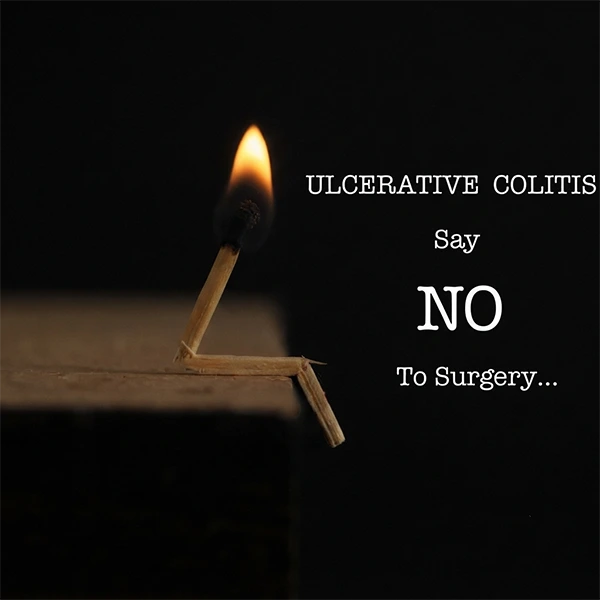
Ulcerative Colitis Treatment in Ayurveda
Ulcerative colitis is a type of inflammatory bowel disease (IBD). It is an immune-mediated chronic intestinal condition. UC is a mucosal disease that usually involves the rectum, and extends proximally to involve all or part of the colon. The major symptoms of UC are diarrhoea, rectal bleeding, tenesmus, passage of mucus and crampy abdominal pain.
In modern medicine many drugs and even surgery are mentioned for the treatment of ulcerative colitis, but these drugs only control the episodes of the disease and do not cure it. Moreover, these modern drugs have a huge list of possible side effects, like intolerance and toxicity to other organs such as the liver, kidney, pancreas and eyes.
Ulcerative Colitis in Ayurveda
In Ayurveda, UC can be considered under the heading Raktaja Pravahika. According to the Ayurvedic classics, people with Atisar have a tendency to develop Raktaja Pravahika when they do not follow pathya (aahara and vihara). Again, consumption of hot, spicy and fried food along with stress, anxiety etc. leads to Raktaja Pravahika, which is a serious condition and needs serious attention. Ayurveda gives physicians the opportunity to incorporate new medication in the explained conditions and name the newly diagnosed condition based on Dosha and Dushya.
Main Symptoms of UC
- Abdominal pain
- Loose stools
- Bloody stools
- Rectal bleeding
- Tenesmus
- Rectal urgency (sensation of incomplete evacuation despite an empty rectal vault)
- Proctitis etc.
Other associated symptoms of UC include anaemia due to blood loss, fatigue, fever, nausea, weight loss, loss of appetite, abdominal sounds, mouth ulcers, loss of body fluids and nutrients, skin lesions, and growth failure in children.
Types of Ulcerative Colitis
A) Classification according to severity of symptoms
- Mild: when the person passes fewer than 4 stools daily (with or without blood) and there is no evidence of systemic toxicity.
- Moderate: when the person passes more than 4 stools daily with minimal systemic toxicity.
- Severe: when the person passes more than 6 bloody stools per day with signs of systemic toxicity, which may include fever, tachycardia (increased heartbeat) and anaemia.
- Fulminant: when the person passes more than 10 stools per day, with continuous rectal bleeding and tenderness of the abdominal area along with systemic toxicity.
B) Classification according to the affected site of the colon
- Ulcerative proctitis (mildest form, affects the rectum only). In many patients with ulcerative proctitis, mild intermittent rectal bleeding is the only symptom. Sometimes other associated symptoms like rectal pain, urgency (a sudden urge to defecate and immediately rush to the bathroom) and tenesmus are felt.
- Procto-sigmoiditis (inflammation of the sigmoid colon and rectum only). The main symptoms are similar to proctitis, like rectal bleeding, urgency and tenesmus. Some patients also develop bloody diarrhoea and abdominal cramps.
- Left-sided colitis (affects the descending colon and rectum). Inflammation starts at the rectum and extends up the sigmoid colon and descending colon. Symptoms include bloody diarrhoea, abdominal cramps and abdominal pain on the left side.
- Pan colitis (affects the whole colon and causes persistent bloody diarrhoea). Also called universal colitis, it refers to inflammation of the entire colon (ascending colon, transverse colon, descending colon and the rectum). Main symptoms include bloody diarrhoea, abdominal pain and cramps, loss of weight, fatigue and fever.
- Fulminant colitis is a rare but severe form of ulcerative colitis involving the entire colon like pan colitis. Patients may suffer from persistent diarrhoea with bleeding, severe dehydration due to loss of body fluids and severe abdominal pain. It is an acute, severe form of ulcerative colitis.
Diagnostic Techniques for Ulcerative Colitis
- Blood test – complete blood count.
- Stool test – to detect infection in the colon or rectum due to bacteria, virus or parasites.
- Colonoscopy and flexible sigmoidoscopy.
- CT scan.
- Barium enema X-ray.
Ayurvedic Treatment Regimen for Ulcerative Colitis
Known as Raktaja Pravahika in Ayurveda, ulcerative colitis is primarily a disease of Pitta Dosha, with varying degrees of Vata involvement in some cases. The excessive consumption of Pitta-aggravating foods and lifestyle initially damages both rakta dhatu (blood tissue) and mamsa dhatu (muscle tissue), leading to the formation of ama that gets deposited between the villi in the intestines, forming a smooth coating that impairs the normal function and immunity of the intestines. Vata Dosha in the lower colon is also aggravated and in the early stages blocks the Pitta and Kapha channels, causing inflammation, mucus accumulation and oedema.
Apart from herbal medicines, Tikta-ksheer Basti and Picha Basti are two main Panchakarma therapies of Ayurveda which are beneficial in ulcerative colitis treatment.
Ayurvedic treatment of ulcerative colitis involves gently eliminating the ama, restoring healthy digestion and creating a bacterially-friendly environment in the body. After the basic strength and immunity of the body is restored, the treatment focuses on natural healing of the ulcers. So one can avoid surgery completely with Ayurveda treatment.
Some Beneficial Yoga Poses
- Paschimottanasana, Bhujangasana, Marjariasana (cat pose), Ardha Matsyendrasana, Shavasana (relaxation).
- Pranayam – Bhastrika (deep breathing).
These yogasanas are to be performed according to the condition of your disease, under an expert's guidance.
Diet in Ulcerative Colitis
The following foods are generally recommended in Ayurveda for patients of ulcerative colitis. Sometimes many patients cannot tolerate all of these food items, so an Ayurvedic physician's opinion is very important for an individualised diet plan. General dietary recommendations:
- Food items which can generally be taken by all: anaar (pomegranate), buttermilk, apple, papaya, guava, chikoo, munakka, mulethi, saunf.
- Unlike modern thinking, according to Charak Samhita goat's milk (low in fat and easily digestible) is recommended for Pittaj Atisara and Raktaja Pravahika. So milk consumption must be encouraged.
- Avoid coffee, tea, ice cream, cheese and dairy products, except milk and ghee.
- Limit the consumption of non-vegetarian food items.
- Consume plenty of coconut water.
- Avoid food items which aggravate Pitta. These include green leafy vegetables, spices, pineapple, lemons and other citrus fruits. Tomatoes are also not recommended.
- Eat foods like pumpkin, bitter gourd, ash gourd etc. These are bitter in taste and highly beneficial for health.
- Avoid smoking and alcohol.
Talk to our doctor about your case
Share your reports and get an assessment from our Ayurveda doctors — online or at the clinic.